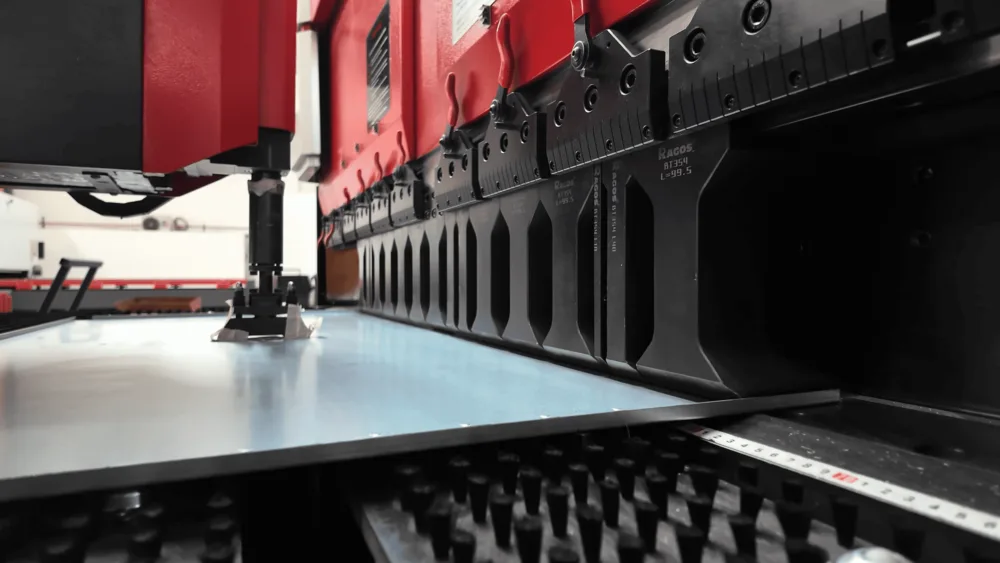
In high-precision metal fabrication, accuracy is everything. Even a microscopic flaw in a single component can lead to catastrophic structural failures, costly product recalls, and damaged client relationships. While manual human inspection has been the standard for decades, it is inherently slow and prone to fatigue. Today, automated Computer Vision systems are setting a new standard for quality assurance, making the “Zero Defects” goal a reality on the shop floor.
Here is how smart optical technologies are transforming quality control in modern metal manufacturing.
1. High-Resolution Inspection at Production Speed
Computer vision replaces subjective human eyes with high-speed, ultra-precise digital cameras and 3D laser scanners integrated directly into the assembly line.
- Microscopic Precision: These systems capture thousands of data points per second, instantly measuring dimensions down to the micron.
- Surface Flaw Detection: Advanced algorithms can identify micro-fissures, porosity, scratches, or welding defects that are invisible to the naked human eye, all without slowing down production.
2. Immediate Waste and Scrap Reduction
Traditional quality control happens at the very end of the manufacturing process. If a machine miscalibrates early on, hundreds of defective parts might be produced before anyone notices.
- Real-Time Alerts: Computer vision systems monitor the fabrication process continuously. If a CNC machine or stamping press deviates from the CAD blueprint, the system flags the error instantly.
- Preventing Mass Defects: This allows operators to pause production and fix the issue immediately, saving thousands of dollars in wasted raw materials and tooling costs.
3. Automated Digital Traceability for Clients
Today’s industrial buyers demand transparency. Industries like aerospace, automotive, and medical manufacturing require strict proof of quality for every single component they purchase.
- Digital Footprints: Every time a piece passes under a vision system, it creates a permanent digital inspection report.
- Instant Compliance: Fabricators can easily attach these automated quality logs to shipments, providing clients with undeniable, data-backed proof that their parts meet 100% of the required engineering tolerances.
The Bottom Line Implementing computer vision is the ultimate way to future-proof your quality control department. By replacing manual spot-checks with continuous, automated optical inspections, your fabrication facility can eliminate human error, drastically reduce material waste, and guarantee flawless precision that keeps your clients coming back.